Buying your first investment property can feel exciting and a little intimidating at the same time. If you are looking in Moorhead, you are stepping into a market where local rules, property type, and true operating costs matter just as much as the purchase price. The good news is that with the right plan, you can avoid common mistakes and make a more confident first move. Let’s dive in.
Why Moorhead Appeals to First-Time Investors
Moorhead offers a mix of opportunity and practical considerations for new investors. The city’s 2025 population estimate was 46,533, and recent housing data shows a 58.1% owner-occupied housing rate, a median owner-occupied home value of $249,000, and a median gross rent of $1,033.
Those numbers do not guarantee returns, but they do give you a starting point for evaluating the market. Moorhead’s housing plans also point to a shortage of affordable housing stock and an aging housing inventory, which helps explain why buyers often look closely at both existing rentals and properties with renovation potential.
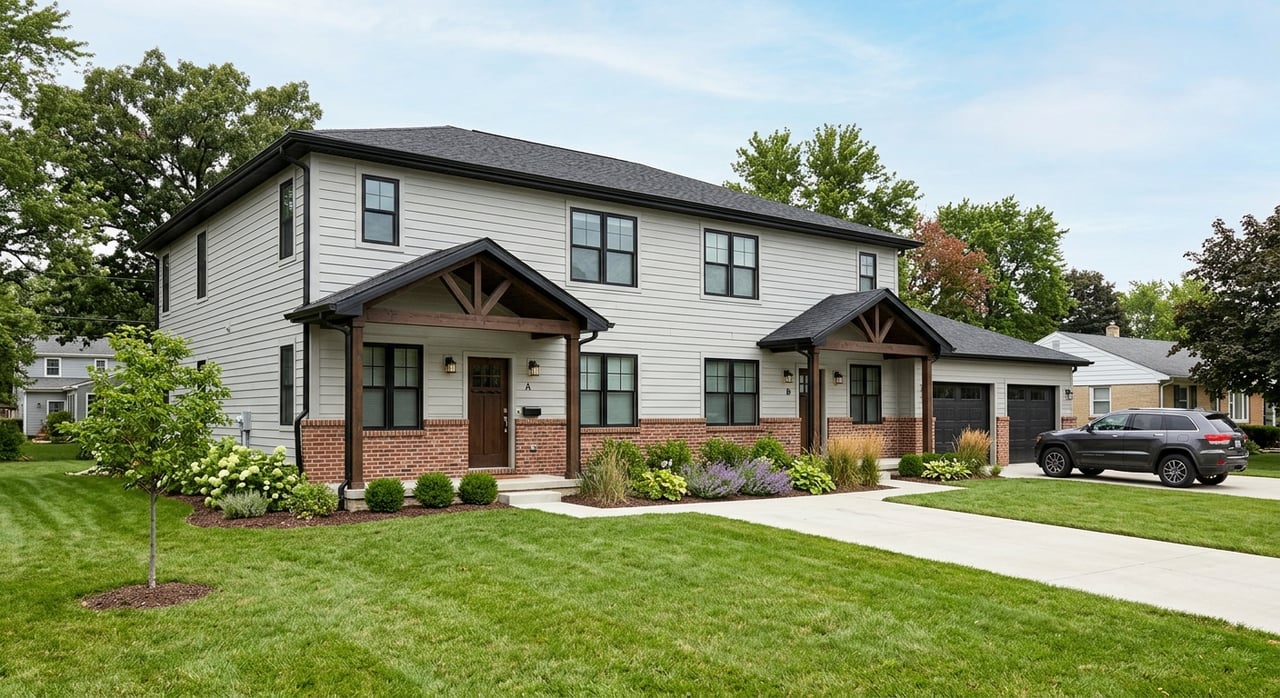
The city’s long-term planning also highlights a need for more missing-middle housing. In Moorhead, that includes options like duplexes, triplexes, quadraplexes, attached townhomes, and small apartment-style properties. For a first deal, that makes three property types especially worth studying: a single-family rental, a duplex, or a small multifamily property.
Choose the Right First Property Type
Your first investment property should match your budget, your risk tolerance, and how involved you want to be in day-to-day ownership. In Moorhead, the most practical starting point is often one of a few common categories.
Single-Family Rentals
A single-family rental can feel more approachable for a first-time investor. These properties are often simpler to manage, easier to understand, and may require fewer moving parts than a multi-unit building.
That said, all your income depends on one unit staying occupied. If the home needs repairs or sits vacant, your cash flow can take a direct hit.
Duplexes and Small Multifamily
A duplex or small multifamily property can spread risk across more than one unit. If one unit is vacant, you may still have rent coming in from another unit.
This type of property fits well with Moorhead’s planning framework, which specifically recognizes duplexes, triplexes, quadraplexes, and other missing-middle housing forms. For many first-time investors, that makes these properties especially worth a close look.
House Hacking in Moorhead
If you are thinking about living in one unit and renting out the rest, make sure you understand the local rules first. In Moorhead, rental registration can still apply even when an owner-occupied dwelling is shared with unrelated persons.
That means a house-hack setup is not automatically informal or exempt. Before you buy, confirm how the city would treat your planned use.
Check Zoning Before You Make an Offer
One of the biggest early mistakes investors make is assuming a property can be used however they want after closing. In Moorhead, zoning and land-use rules can affect whether your plan is straightforward or requires more review.
The city’s zoning code establishes land-use districts, and some projects may need rezoning or a conditional use permit depending on the property and your intended use. Moorhead’s future land-use framework says low-density residential areas can include twinhomes and duplexes, while medium-density areas can include duplexes, triplexes, quadraplexes, attached townhomes, and manufactured homes.
Higher-density residential uses are generally found in or near downtown Moorhead or the college and university area. The city also notes that increased density may require sewer-capacity and transportation analysis, which is important if you are considering a conversion or more intensive use.
Questions to Ask About Zoning
Before you move forward, ask questions like:
- Is the current zoning consistent with your intended use?
- Would a conversion require rezoning or a conditional use permit?
- If you want to add units or increase density, would infrastructure review be required?
- Is the property located in an area where the city’s future land-use plan supports that housing type?
Understand Moorhead Rental Registration Rules
In Moorhead, rental compliance starts early. A new owner must complete the rental registration process before taking possession of a rental property, and the city also requires registration before a tenant moves in.
This rule applies broadly. The city requires rental registration for single-family and multi-family dwellings, multiplexes, condos, mobile homes, rooming arrangements, and some owner-occupied shared housing situations.
The registration must also be renewed each year by December 31. On top of that, the city says the owner must be current on property taxes and other city obligations for the rental unit to be registered.
Why This Matters at Closing
You do not want to discover after closing that registration is incomplete or delayed. That can affect your ability to legally operate the property as planned.
As part of your due diligence, verify whether the current registration is active, whether the city will require an updated owner or manager record, and whether a new inspection will be needed after the transfer.
Budget for Inspections, Repairs, and Permits
Your first investment property is not just about the down payment and mortgage. In Moorhead, ongoing compliance and property condition should be part of your budget from day one.
The city performs annual rental inspections to help ensure decent, safe, and sanitary living conditions. Some higher-compliance properties may be allowed to self-inspect the next year, but annual city oversight is still a meaningful part of ownership.
Moorhead also encourages owners to do a pre-inspection using its Common Code Issues Checklist before the city inspection. For a first-time investor, this can be a smart way to catch likely issues before they become delays or surprise costs.
Common Projects That May Need Permits
Moorhead says permits are required before many regulated projects begin, including:
- Roofing
- Replacing windows, doors, or siding
- Adding a room
- Finishing a basement
- Building a garage or deck
- Installing a shed over 200 square feet
- Replacing a water heater
- Installing or replacing heating and cooling equipment
If the property is non-owner-occupied, plumbing, mechanical, and electrical improvements must be performed by licensed bonded contractors. Minnesota also requires residential building, plumbing, and electrical contractors to be licensed.
Research the True Carrying Cost
A property can look good on paper and still become a poor investment if you miss the real monthly and annual costs. In Moorhead, a few local items deserve extra attention during underwriting.
Property Taxes and Classification
Clay County classifies parcels as residential homestead, residential non-homestead, agricultural, or commercial. Minnesota homestead classification is intended for owner-occupied homes, so a rental property will usually not receive homestead treatment.
That matters because homestead status can reduce classification rate or taxable value and may qualify for a property-tax refund. If you are buying a first rental, make sure your projections reflect the likely non-homestead tax treatment rather than the seller’s current tax status.
Special Assessments and Property Records
Moorhead’s property information system can help you look beyond the listing sheet. It includes property valuations, building and land information, sales history, special-assessment information, building-permit history, and property-tax estimates.
For a first-time investor, this is one of the most useful due diligence tools available. It can help you spot added costs, past work, or red flags before you commit.
Flood Risk in Moorhead
Flood risk is a real local issue because Moorhead sits along the Red River corridor. The city advises buyers to ask whether a property is in a floodplain, whether it has ever flooded, and what the flood depth or warning time would be.
If a structure is in the Special Flood Hazard Area and is purchased with a federally backed mortgage, flood insurance is required. That cost can materially change your monthly numbers, so it should be part of your analysis before you write or remove contingencies.
Know Your Closing Costs Up Front
Your buy-in cost is more than your down payment and lender fees. In Minnesota, two state closing taxes are often part of the equation.
The state deed tax is 0.0033 of net consideration, and the mortgage registry tax is 0.0023 of the debt secured by the mortgage. Clay County notes that the mortgage registry tax is paid at recording along with fees.
These costs may not be large enough to stop a deal, but they do belong in your upfront budget. For a first investment purchase, clarity on closing costs helps you preserve reserves for repairs, vacancy, and compliance items.
Prepare for the Lender Conversation
Financing an investment property usually requires more documentation than many first-time buyers expect. That is especially true when rental income is part of the loan file.
Fannie Mae says mortgage applicants need documentation of income, assets, and related information, including tax returns when rental income is involved. Its guidance also says lenders may use current leases, Schedule E, and property appraisal rent forms to document rental income.
When current lease or market-rent figures are used, lenders generally count 75% of gross rent to account for vacancy and maintenance. Fannie Mae also says gross monthly rent must still be documented for all two- to four-unit principal residence properties and investment properties, even when the borrower is not using that rent to qualify.
Smart Questions to Ask Your Lender
Before you go under contract, ask:
- How will projected rent be documented?
- Will the property require flood insurance based on location?
- How will property taxes be escrowed?
- Will leases, prior tax returns, or appraisal rent schedules be needed before closing?
These answers can shape both your financing strategy and the type of property that makes the most sense for your first purchase.
Set Up Your Rental Operations Early
A good first investment property is not just a smart purchase. It is also a property you can operate responsibly from day one.
Minnesota law does not cap security deposits, requires simple-interest treatment, and requires a landlord to return the deposit or provide a written explanation within 21 days after the tenancy ends if the tenant has given a forwarding address. These rules affect how you set up your lease process, deposits, bookkeeping, and move-out procedures.
Moorhead also points landlords to local support resources, including its Rental-Home Owners and Managers Education Program, the Greater Red River Apartment Association, and mediation and legal-help resources. For a first-time investor, these local tools can make it easier to build a solid system for screening, maintenance coordination, and lease administration.
A Simple First-Property Game Plan
If you want to keep your first deal focused, use a step-by-step approach:
- Define your target property type, such as a single-family rental, duplex, or small multifamily.
- Review zoning and confirm the intended use is allowed.
- Check rental registration status and ask what will be required at closing.
- Pull property records, permit history, special assessments, and tax estimates.
- Evaluate floodplain status and likely insurance needs.
- Estimate repairs, permit costs, and contractor requirements.
- Talk with your lender about rent documentation, reserves, and closing costs.
- Build a post-closing plan for inspections, leasing, deposits, and ongoing compliance.
The goal is not to find a perfect property. It is to find a property where the numbers, the rules, and the condition all make sense together.
Your first investment property in Moorhead should feel like a disciplined decision, not a guess. If you take the time to study zoning, rental registration, taxes, flood risk, permits, and financing before you buy, you can move forward with far more clarity. If you want local guidance as you compare opportunities in Moorhead and the broader Fargo-Moorhead market, reach out to Tyler Bretz for a tailored, data-informed conversation.
FAQs
What property type is best for a first investment property in Moorhead?
- For many first-time investors, the most practical options to study are a single-family rental, a duplex, or a small multifamily property because those align well with Moorhead’s housing mix and planning framework.
Does a rental property in Moorhead need rental registration?
- Yes, Moorhead requires rental registration for a wide range of property types, including single-family and multi-family dwellings, and a new owner must complete the process before taking possession of a rental property.
Can house hacking trigger rental rules in Moorhead?
- Yes, Moorhead states that registration may also be required when an owner-occupied dwelling is shared with unrelated persons, so house-hacking arrangements should be reviewed carefully.
What should you verify before buying an investment property in Moorhead?
- You should verify zoning, rental registration status, inspection requirements, special assessments, permit history, floodplain issues, property-tax treatment, and lender documentation requirements before making a final commitment.
How do lenders usually count rental income for an investment property?
- Fannie Mae guidance says lenders generally count 75% of gross rent when using current lease or market-rent figures, though your lender will still need specific documentation such as leases, appraisal rent forms, or tax returns.
Will a Moorhead rental property get homestead tax treatment?
- Usually no, because Minnesota homestead classification is intended for owner-occupied homes, so a first rental purchase will generally be treated as non-homestead for property-tax purposes.
Why is flood risk important when buying in Moorhead?
- Flood risk matters because Moorhead is along the Red River corridor, and if a property is in the Special Flood Hazard Area and financed with a federally backed mortgage, flood insurance is required.