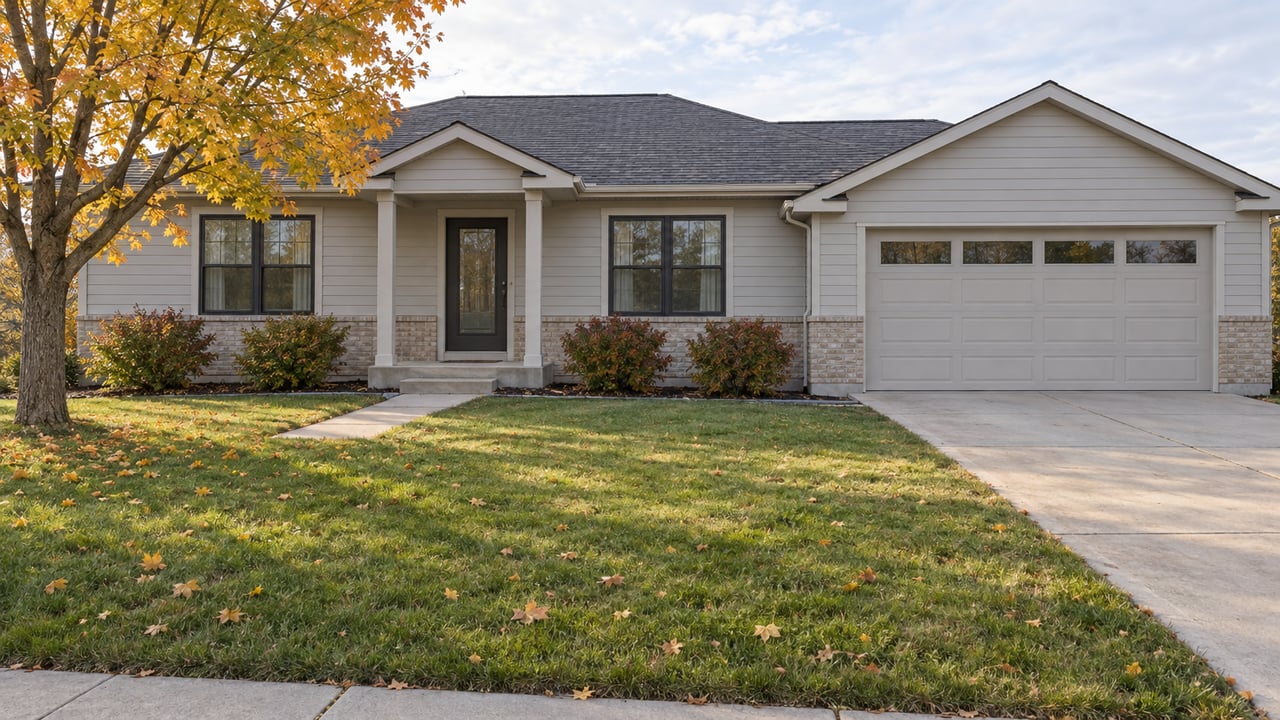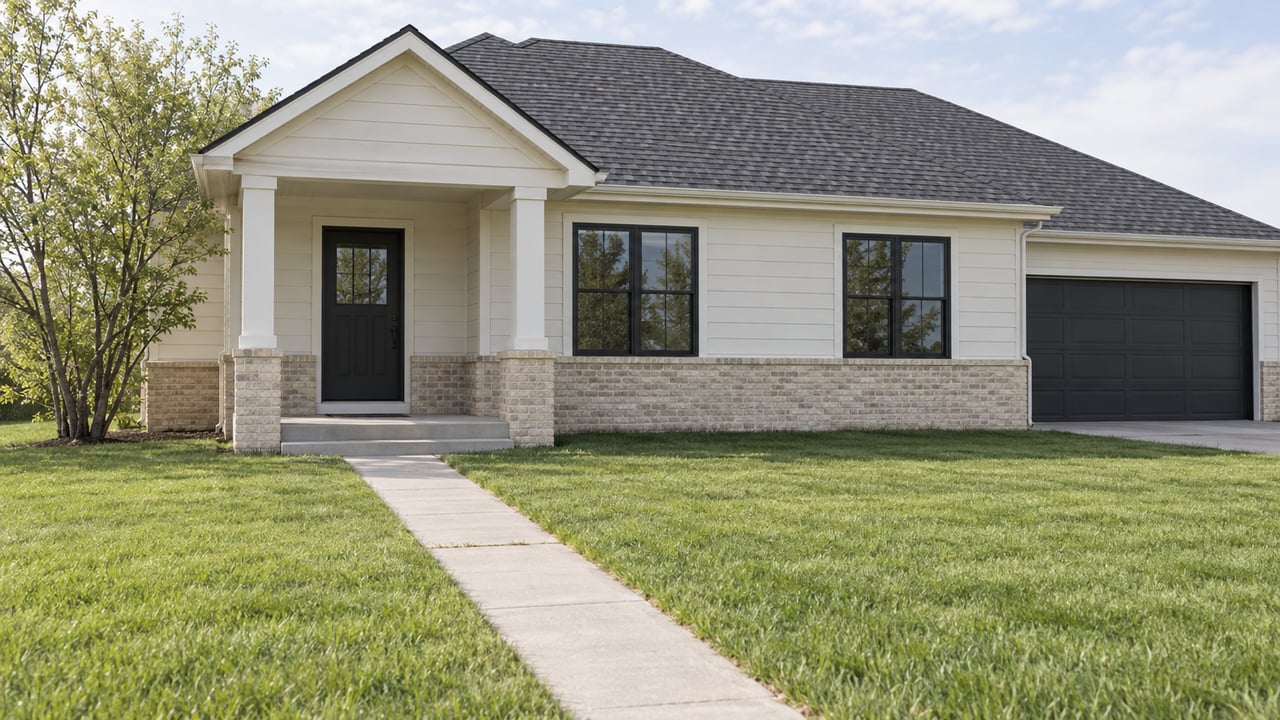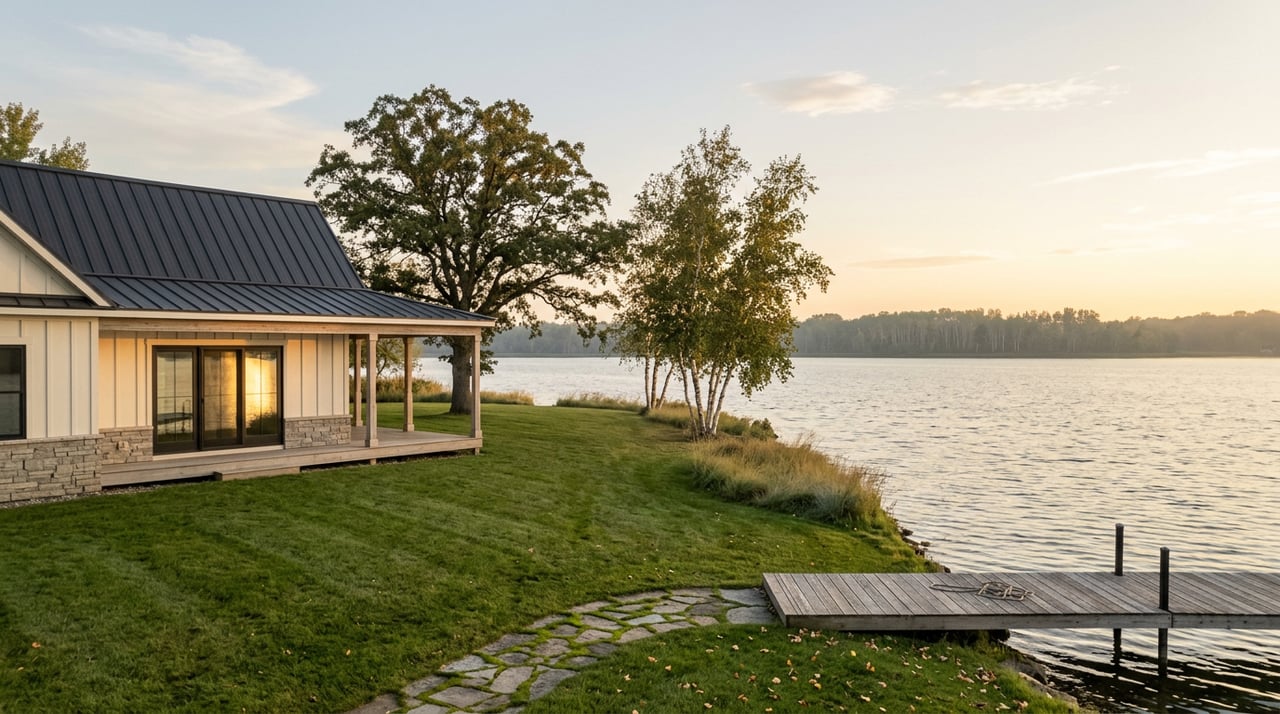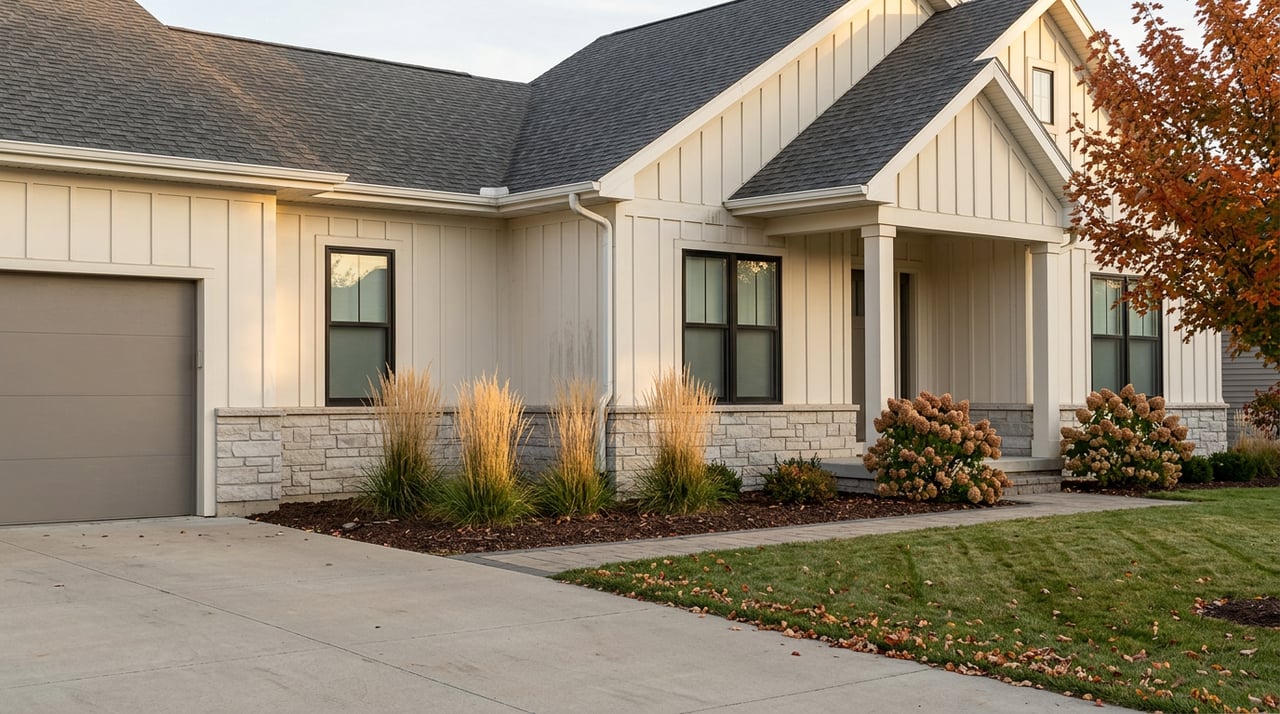
Thinking about buying a Devils Lake cabin that can pull double duty as your getaway and a rental? You are not alone. With year-round fishing, winter recreation, and steady visitor appeal, Devils Lake can offer real opportunity, but the best purchase is about much more than finding a cabin near the water. In this guide, you will learn what to evaluate first, which rules and taxes matter, and which features can help a cabin work better for both you and your guests. Let’s dive in.
Why Devils Lake attracts renters
Devils Lake stands out as one of North Dakota’s strongest outdoor lodging markets. North Dakota Tourism describes it as the state’s largest natural lake and a major destination for walleye, perch, northern pike, and white bass. The area also draws visitors for tournaments, open-water recreation, winter ice-fishing, and seasonal outdoor activities.
That matters if you are buying with rental potential in mind. A market with year-round reasons to visit can create more booking opportunities than a place that depends on only one short season. It also means your cabin may appeal to different types of guests during different times of year.
USGS also notes that fishing is a meaningful part of the area’s tourism economy. At the same time, the lake’s recreational value is tied to changing lake levels. That is an important reminder that location and property setup matter just as much as the cabin itself.
Start with the parcel, not the finishes
A nice interior can be updated later. The parcel and access are much harder to change. Around Devils Lake, that makes your first round of due diligence especially important.
Check water-level and shoreline factors
Because Devils Lake’s shoreline and water levels have changed substantially over time, you will want to look closely at:
- Lot elevation
- Shoreline stability
- Dock or launch access
- The approach road in summer
- The approach road in winter
These items can affect your own enjoyment and your rental appeal. A cabin that looks great online may be less practical if guests have a hard time getting there, storing gear, or accessing the water.
Think about access in all four seasons
Devils Lake is not just a summer destination. Grahams Island State Park is promoted for year-round use, including fishing access, winter recreation, cross-country ski trails, snowshoe access, and pontoon rentals during warmer months.
If rental income is part of your plan, look for a location that supports guests across the calendar. Easy winter access, reliable snow removal, and proximity to recreation can matter just as much as summer lake views.
Features that can improve rental appeal
In a market like Devils Lake, practical features often matter more than flashy upgrades. Guests coming for fishing or winter recreation usually want a place that is comfortable, easy to use, and set up for gear.
Prioritize function for fishing and winter stays
The most helpful location features often include proximity to:
- Boat ramps
- Bait shops
- Fish-cleaning stations
- Winter access points
- Trail access
Those nearby conveniences can make your property more attractive to guests planning a trip around outdoor recreation. They can also help support repeat bookings if visitors find the stay easy and convenient.
Look for guest-friendly cabin features
For the cabin itself, useful features may include:
- Ample trailer parking
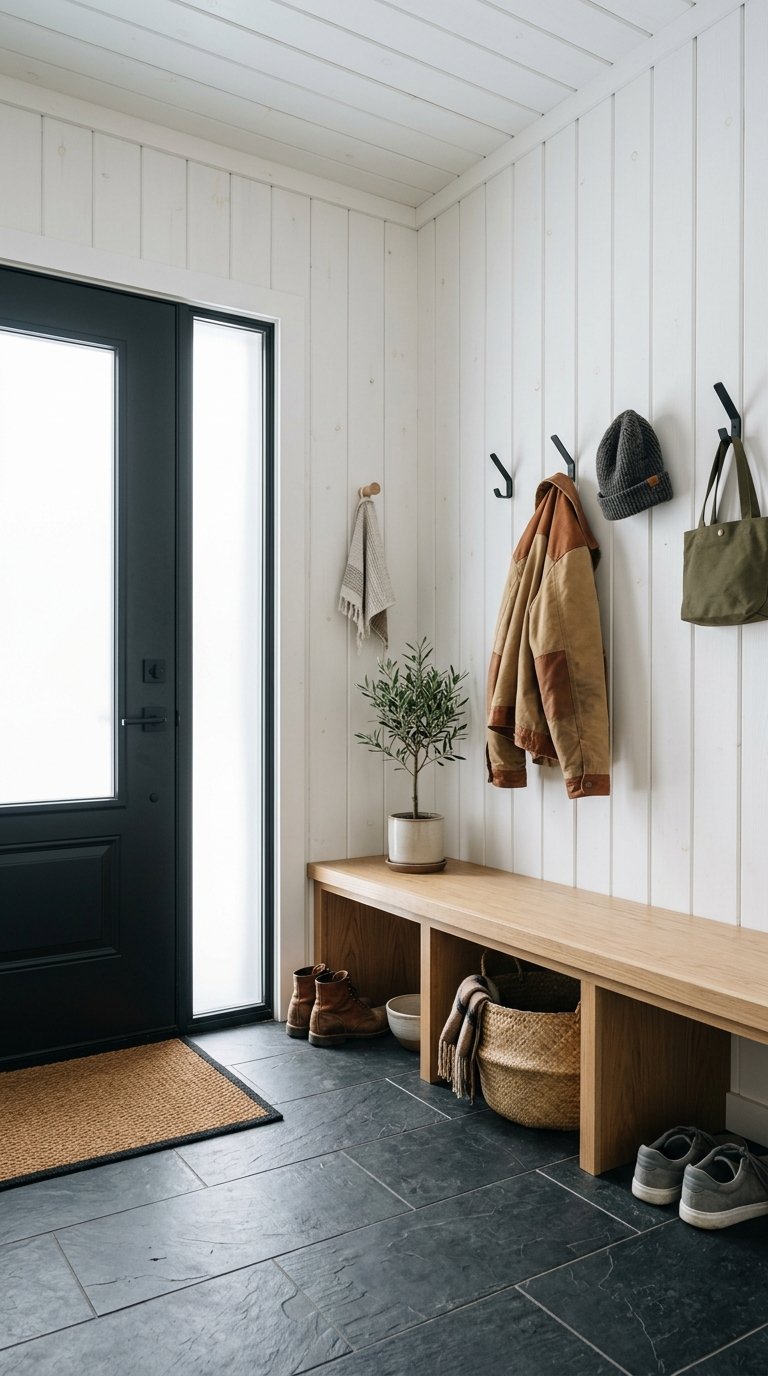
- A mudroom or gear-storage area
- Durable, easy-clean flooring
- Strong Wi-Fi
- A well-equipped kitchen
- Dependable snow-removal access
These are the kinds of details that support real-world use in Devils Lake’s outdoor-focused setting. They may not be the first things buyers notice in listing photos, but they can make a big difference in guest experience and maintenance.
Understand local permits and property use
Before you buy, it is smart to confirm which local rules apply to the exact parcel. In and around Devils Lake, city versus county location can change what you need to review.
City permits may apply to future updates
If a property is inside Devils Lake city limits or within the nearby two-mile jurisdiction, the city requires building permits for projects such as:
- Decks
- Egress windows
- Remodeling
- Siding replacement
- New homes
- Additions
That matters if you are planning to improve the cabin after closing. Even common upgrades that seem straightforward may require permits, so it helps to know that upfront when budgeting time and money.
Fire and inspection standards matter
If the property is marketed as lodging, Devils Lake’s fire department says it handles rental property inspections. The city has also adopted the 2021 International Fire Code as its fire and life-safety standard.
For you as a buyer, this is a cue to think beyond purchase price. Safety items, maintenance planning, and property readiness all matter when a cabin will be used by paying guests.
County rules can also come into play
Ramsey County’s ordinances page includes zoning ordinance information and a lodging-and-restaurant-tax ordinance. This is another reason to verify whether your property falls within city limits, county jurisdiction, or an area where both sets of rules affect your planning.
A quick location assumption can lead to budgeting mistakes. It is better to confirm the parcel’s governing rules early in the process.
Know the taxes before you buy
One of the biggest mistakes cabin buyers make is focusing only on nightly rate and not on tax and operating complexity. If you plan to rent the property for short stays, North Dakota’s lodging tax rules deserve close attention.
Short-term rentals are generally taxable lodging
North Dakota treats lodging rentals of less than 30 days as taxable lodging. The state guideline says short-term residential rentals and vacation home rentals are examples of lodging facilities.
That generally means the homeowner must obtain a sales and use tax permit and collect and remit tax unless a lodging marketplace contract makes the marketplace responsible. This is an important question to sort out before your first guest booking.
Many guest fees are taxable too
The same state guideline says many add-on charges are also taxable. Examples include:
- Pet fees
- Reservation fees
- Room-damage fees
- Smoking fees
- Extra-person fees
- Early departure fees
- Late departure fees
If you are building a revenue plan, do not treat those fees as separate from tax planning. They can affect your pricing, bookkeeping, and net income.
Exact location affects local tax budgeting
For Devils Lake, the state tax office posts a permit-holder notice showing a 2.5 percent city sales, use, and gross receipts tax and a 10.5 percent combined lodging rate for listed lodging categories within city limits. The state’s local tax table also lists Devils Lake’s 2 percent local lodging tax and a Ramsey County lodging-and-restaurant-tax entry.
The key takeaway is simple: exact parcel location matters. You will want to review both general local tax information and the lodging-specific guidance when estimating operating costs.
Longer stays may be treated differently
North Dakota exempts stays of 30 or more consecutive days by the same occupant from sales and lodging taxes. For some owners, that can create flexibility during slower periods.
If you hope to attract off-season extended stays, this may be worth considering as part of your strategy. It will not fit every owner’s goals, but it can be useful when you want a broader booking mix.
Personal use changes the math
A rental cabin often sounds simple on the surface. In practice, the numbers become more nuanced when you also plan to use the property yourself.
Mixed use affects tax reporting
The IRS says that if a property is used both personally and as a rental, rental expenses must be divided between personal and rental use. If the dwelling is rented fewer than 15 days during the year and is used as a home, the rental income is not reported on Schedule E. If it is rented 15 days or more and used as a home, rental income is reported and expenses are split.
This is one reason to think clearly about your goals before you buy. A cabin that is mostly for your family may pencil out differently than one you intend to rent more consistently.
Common rental expenses add up fast
The IRS lists common rental expenses such as:
- Maintenance
- Insurance
- Interest
- Management fees
- Repairs
- Taxes
- Utilities
- Depreciation
- Professional fees
- Cleaning and maintenance
- Advertising
- Commissions
When you evaluate a property, focus on net income after these costs rather than on gross booking revenue. A strong nightly rate can still produce disappointing results if expenses are underestimated.
Repairs and improvements are not the same
The IRS also treats repairs and maintenance differently from improvements. In general, repairs may be deductible if they do not have to be capitalized, while improvements that better, restore, or adapt the property to a new use must be capitalized.
That distinction matters if you are buying a cabin that needs work. Your post-closing budget may affect both cash flow and tax treatment.
Build a conservative income plan
If you are buying a Devils Lake cabin with rental potential, it helps to underwrite it with discipline. This is a four-season market, but it is still seasonal.
Do not assume steady occupancy
Because Devils Lake has open-water fishing, winter ice-fishing, tournament activity, and shoulder seasons, a conservative pro forma should account for peaks and slower stretches rather than full, even occupancy all year.
That approach gives you a more realistic picture of risk. It also helps you decide whether the property still works for you if bookings come in unevenly.
Plan for local operations from day one
Operationally, it is wise to line up:
- A local cleaner
- A snow-removal contact
- A winter heat-check routine
- A quick-response maintenance plan
This kind of support matters in any second-home rental, but it is especially important in a market with winter use and guest turnover. A cabin can be hard to manage from a distance without a dependable local system.
Ask the right questions before you commit
Before you move forward on a purchase, keep your focus on a few core questions. They can help you compare properties more clearly and avoid surprises after closing.
Ask yourself:
- Does the lot work well in changing shoreline conditions?
- Is access reliable in both summer and winter?
- Which city or county rules apply to this parcel?
- Will I need permits for the updates I want to make?
- If I rent short term, do I need a sales and use tax permit?
- Which guest fees will be taxable?
- How much personal use do I expect each year?
- Does the projected income still make sense after taxes, insurance, utilities, cleaning, repairs, and snow removal?
A good cabin purchase is not only about finding a property that feels right. It is about choosing one that fits your goals, your risk tolerance, and the way Devils Lake actually operates as a lodging market.
If you are weighing a cabin purchase in Devils Lake, a careful, property-level review can make a major difference. The right guidance can help you look past the surface and evaluate access, use, costs, and long-term fit with more confidence. When you are ready to talk through your options, connect with Tyler Bretz.
FAQs
Do I need a sales tax permit for a Devils Lake short-term rental?
- North Dakota generally treats rentals of less than 30 days as taxable lodging, and the homeowner must obtain a sales and use tax permit and collect and remit tax unless a lodging marketplace contract makes the marketplace responsible.
Which guest fees are taxable for a Devils Lake cabin rental?
- North Dakota says many add-on charges are taxable, including pet fees, reservation fees, room-damage fees, smoking fees, extra-person fees, and early or late departure fees.
How does personal use affect taxes on a Devils Lake rental cabin?
- If you use the cabin personally and also rent it, the IRS says rental expenses must be divided between personal and rental use, and the reporting rules change depending on how many days the property is rented.
What happens if a Devils Lake guest stays 30 days or more?
- North Dakota exempts stays of 30 or more consecutive days by the same occupant from sales and lodging taxes.
Which local rules apply to a Devils Lake cabin property?
- That depends on the exact parcel location, because city-limit, two-mile-jurisdiction, and Ramsey County rules can differ for permits, inspections, zoning, and lodging-related taxes.
Which cabin features help occupancy in Devils Lake?
- Features that often help include trailer parking, gear storage, durable flooring, strong Wi-Fi, a solid kitchen setup, dependable snow access, and proximity to boat ramps, bait shops, fish-cleaning stations, and trail access.