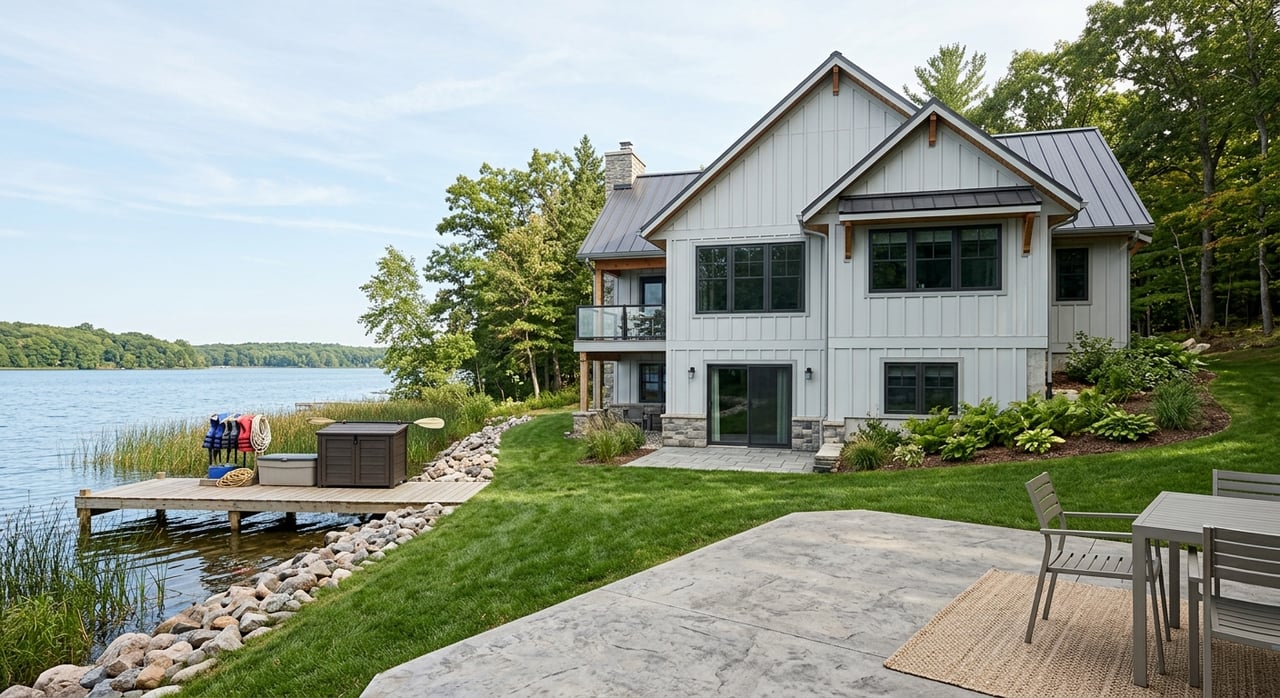
If you picture lakefront living as a simple dock, a few summer weekends, and a view that stays the same year after year, Devils Lake may surprise you. Life on the water here is more hands-on, more seasonal, and for many owners, more rewarding because of it. If you are thinking about buying a lake property in Lakes Country, this guide will help you understand what daily life really looks like, what matters most in a home, and how to plan for the way Devils Lake actually works. Let’s dive in.
Devils Lake living starts with the lake itself
Devils Lake is the largest natural body of water in North Dakota, and it does not behave like a small inland lake with a fixed shoreline. According to the USGS, it is a closed-basin terminal lake, which means its water levels naturally rise and fall over time rather than staying constant.
For you as a buyer or owner, that affects more than the view. It shapes how you think about shoreline access, where you launch a boat, how you use a dock, and what kind of storage and setup make ownership easier. In Devils Lake, lakefront living is often as much about logistics as it is about scenery.
Access matters more than you may expect
On Devils Lake, access is not a small detail. It is part of the lifestyle. Because shoreline conditions and water levels can change, ramps, docks, access lots, and launch plans tend to matter in a very practical way.
North Dakota Game and Fish notes that boat ramp usability can change during flood or heavy rain events. That means even if you own near the lake, you still want to think carefully about how and where you get on the water.
Grahams Island State Park gives a good picture of what useful access infrastructure looks like. It offers a four-lane concrete boat ramp, five courtesy docks, parking, a fish cleaning station, and nearby concessions. Those features help show why experienced lake buyers often focus on access and function, not just frontage.
What to look for in a lake property
When you tour lake homes around Devils Lake, it helps to look beyond the living room windows. A property that works well for this market often supports the full routine of lake use.
Key features to pay attention to include:
- Boat and trailer storage
- Heated or attached garage space
- Detached garage, shed, or pole barn
- Space for ice gear, ATVs, or seasonal equipment
- Easy parking for guests or extra vehicles
- Practical cleanup areas after fishing or lake days
- Access lots or setups that support docks or lifts
Current listing patterns in the Devils Lake area reflect this clearly. Private inventory repeatedly shows garages, sheds, pole barns, and access-oriented features because owners here tend to use their properties as active basecamps, not just quiet places to sit.
Lake life follows a real seasonal rhythm
Devils Lake is not a one-season destination, but it is a strongly seasonal one. Climate normals for 1991 to 2020 show an average January high of 16.9 degrees Fahrenheit and an average July high of 79.8 degrees. The annual mean temperature is 41.0 degrees, with 20.42 inches of precipitation.
That weather pattern creates a clear annual cycle. Freeze normals show a median spring 32-degree freeze date around May 6 and a median first fall 32-degree freeze around September 26. For you, that usually means a shorter shoulder season and a sharper divide between open-water months and winter use.
Summer is for boating and fishing
During the warmer months, the lake becomes a hub for boating, fishing, and repeat weekend use. Devils Lake tourism materials highlight the area as a return-again fishing destination known for walleye, perch, northern pike, and white bass.
That repeat-visit pattern matters if you are thinking about a second home. This is the kind of place many owners use again and again, not just once or twice each summer. A well-chosen property can make spontaneous weekends much easier because your gear, boat, and setup are already in place.
Fall is for wrap-up and winter prep
In many lake markets, fall is just a pretty backdrop. At Devils Lake, it is also a working season. As temperatures turn, owners often shift from open-water use to winterization, storage, and prep for cold-weather recreation.
This is one reason storage matters so much. You are not just putting away a few patio chairs. You may be organizing boats, lifts, fishing gear, cold-weather equipment, and vehicles in a way that makes the next season easier.
Winter is a real part of ownership
If you think lake life stops when the water freezes, Devils Lake tells a different story. Grahams Island State Park supports winter activity with ice fishing, more than three miles of groomed cross-country ski trails, and snowshoeing.
That makes the area feel more like a year-round recreation base than a summer-only retreat. For many buyers, that is a big part of the appeal. Your lake place can serve as a warm-weather escape and a winter destination, with a different pace and purpose in each season.
Daily life is practical in the best way
One of the most useful ways to think about Devils Lake ownership is this: your day on the lake usually starts before you hit the water and ends after you come back. Access, parking, fish cleaning, gear storage, and cleanup are all part of the routine.
That may sound less romantic than a postcard version of lake living, but it often leads to a better ownership experience. When your property is set up to support the way you actually use the lake, weekends feel smoother and less rushed.
For example, local tourism materials note that guides in the area often provide the boat or ice machine, tackle, bait, and fish-cleaning help. Even if you use guides at times, that detail says a lot about the local culture. Devils Lake is built around active recreation, preparation, and repeat use.
Why Devils Lake works for a weekend basecamp
For buyers from Fargo-Moorhead and surrounding communities, Devils Lake can make a lot of sense as a second home or recurring getaway. You do not need a property that only works for a few peak summer weekends. You want a place that supports fishing trips, family downtime, seasonal gear storage, and return visits throughout the year.
The area’s mix of public launch infrastructure, winter recreation, and repeat-visit appeal supports that idea. Grahams Island State Park also includes seasonal camping cabins and one of the few non-seasonal campgrounds in the area, which reinforces that this is a place people use across more than one season.
If your goal is a practical retreat rather than a purely decorative one, Devils Lake fits that mindset well. It is a market where function adds real value. A home with the right garage space, access setup, and storage can support the lifestyle far better than a home with views alone.
How to shop smarter for lakefront property
If you are serious about buying near Devils Lake, it helps to evaluate each property through the lens of use, not just appearance. A beautiful home can still be the wrong fit if it does not support how you want to spend time at the lake.
As you compare options, ask yourself:
- How easy is it to get on and off the water?
- Where will you store a boat, trailer, and seasonal gear?
- Is there enough garage or outbuilding space for year-round use?
- How will the property function during both summer and winter?
- Does the setup make quick weekend trips feel simple or complicated?
These questions help you think like a long-term owner. In a market like Devils Lake, convenience, access, and storage are not secondary features. They are part of what makes a property enjoyable to own.
The real appeal of lakefront living here
What lakefront living really looks like in Devils Lake is not always polished or predictable, and that is exactly why many people love it. It is active, seasonal, and rooted in how you use the property over time. The lake changes, the weather changes, and your routines shift with them.
For the right buyer, that creates a more grounded kind of ownership. You are not just buying a view. You are buying a place that supports fishing mornings, busy summer weekends, fall prep, and winter returns.
If you are exploring lake property in Devils Lake or want a clear picture of how a second home can fit your lifestyle, Tyler Bretz can help you evaluate the details that matter most.
FAQs
What does lakefront living in Devils Lake actually involve?
- Lakefront living in Devils Lake usually involves more than enjoying the view. Because the lake is a closed-basin terminal lake with changing water levels, owners often plan around ramps, docks, storage, cleanup, and seasonal access.
Is Devils Lake a summer-only lake market?
- No. Devils Lake has a strong summer boating and fishing season, but winter use is also a real part of the lifestyle, with ice fishing, snowshoeing, and groomed ski trails available at Grahams Island State Park.
Why is storage so important for Devils Lake homes?
- Storage matters because many owners keep boats, trailers, lifts, ice gear, ATVs, and seasonal equipment on site. Current listing patterns in the area commonly include attached garages, heated garages, detached garages, sheds, and pole barns.
What should you expect from the Devils Lake shoreline?
- You should expect some variability rather than assuming a fixed shoreline. USGS describes Devils Lake as a closed-basin terminal lake, so access points and infrastructure often matter as much as the shoreline itself.
Is Devils Lake a good fit for a second home?
- For many buyers, yes. The area’s repeat-visit fishing culture, public access infrastructure, and real winter recreation make it well-suited for a weekend basecamp that you can use across multiple seasons.