If you are weighing new construction in Mapleton against Fargo or West Fargo, the biggest difference is not just price. It is how much choice you have, what kind of home styles are common, and how the overall setting feels day to day. If you want a clear side-by-side view before you pick a lot, a builder, or a timeline, this guide will help you compare the options and make a more confident move. Let’s dive in.
Mapleton vs Fargo–Moorhead at a Glance
Mapleton is tied closely to the Fargo metro, but it offers a different new-construction experience. Public search pages currently show about 5 Mapleton new-construction listings, compared with 6 Fargo communities and 11 West Fargo communities. That makes Mapleton the more selective market, while Fargo and West Fargo offer a deeper bench of neighborhoods and floor plans.
The visible price spread also tells an important story. Mapleton listings run from about $359,900 to $619,900, Fargo communities from about $313,000 to $788,709, and West Fargo communities from about $340,000 to $879,000. In simple terms, Mapleton gives you a narrower range, while Fargo and especially West Fargo give you more pricing tiers and more room to compare options.
What Makes Mapleton Different
Mapleton appeals to buyers who want a smaller-town setting with quick metro access. Brookstone describes Meridian Grove as being about a 10-minute drive to Fargo-Moorhead, and Mapleton planning documents place I-94 plus Cass County Highways 10 and 11 at the center of future growth. That combination can feel attractive if you want some breathing room without giving up access to the metro.
Mapleton’s current new-construction inventory also tends to feel more targeted. Rather than a wide menu of neighborhood types, you will often see a tighter mix of homes and lot choices. That can be a plus if you know the kind of home you want and prefer a simpler search.
How Inventory Choice Compares
When you compare Mapleton with Fargo and West Fargo, choice is one of the clearest differences. Mapleton’s visible inventory is smaller, which means fewer side-by-side decisions on lot size, home style, and finish level. Fargo gives you more community variety, and West Fargo appears to offer the broadest selection overall.
That larger pool can matter if you are still sorting out priorities. If you are deciding between a patio home, bi-level, two-story, twinhome, or larger-lot single-family home, Fargo and West Fargo give you more ways to shop across product types. Mapleton tends to reward buyers who already know they want its smaller-town setting and more limited inventory set.
Floor Plans and Home Styles
Mapleton home styles
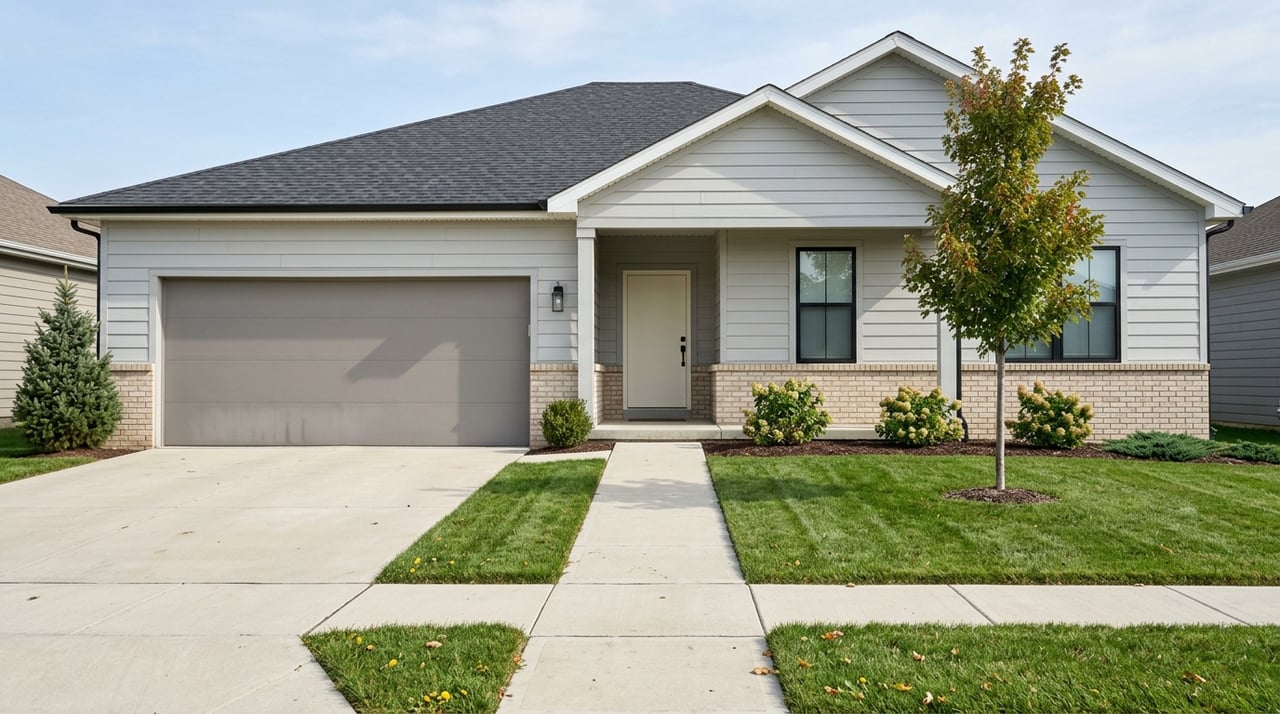
Mapleton leans toward twinhomes, ramblers, and slab-on-grade homes. Recent examples include a 1,977-square-foot Meridian Grove twinhome on roughly 3,960- to 4,800-square-foot lots at $307,500, a 1,802-square-foot four-bedroom home on an 8,581-square-foot lot at $359,900, and a 2,000-square-foot, 3-bed, 2-bath home on a 9,365-square-foot lot at $495,000. In practice, that means you are likely to see smaller-to-mid-sized lots, with some homes built around twinhome living or HOA-supported settings.
Meridian Grove is also marketed as having some remaining twin lots and lower lot pricing than Fargo and West Fargo. If lot cost is a big part of your decision, that can make Mapleton worth a close look. It may offer a more approachable entry point for certain buyers who want new construction near the metro.
Fargo home styles
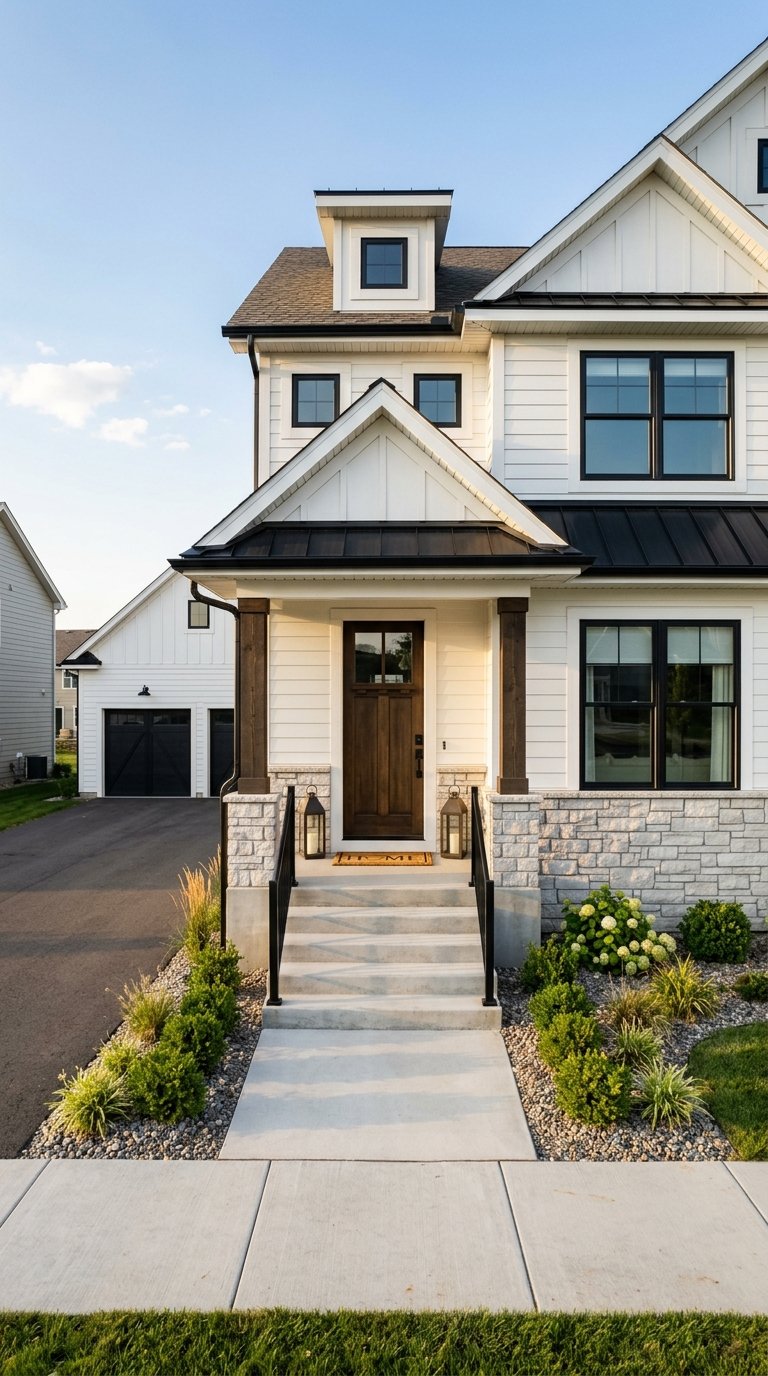
Fargo’s newer homes offer more variety and often feel more neighborhood-dense. A current Golden Valley build is 2,770 square feet on a 6,969.6-square-foot lot at $425,140, while the Fargo Wilds buildable plan starts at $347,000 for 1,914 square feet. Community pages also show pricing in Selkirk, Madelyn’s Meadows, Valley View Estates, and Deer Creek, giving buyers several tiers to compare.
That variety can help if you want options across layout, location, and lot type. Fargo’s comprehensive plan also emphasizes infill and denser neighborhood design, which helps explain why some new-construction areas may feel more connected to the existing city pattern. For buyers who want a wider urban-suburban mix, Fargo can offer more flexibility.
West Fargo home styles
West Fargo has the broadest spread of product in the current public sample. Homes.com shows The Wilds communities at roughly $340,000 to $499,675, a 2,180-square-foot bi-level plan starting at $315,100, and Westview patio-home lots with 8,400-square-foot lots at $486,385. The Ranch at The Wilds lists premium ranch-style homes from about $690,000 to $879,000.
West Fargo also shows a wider lot-size spread in higher-end pockets, including listings on lots as large as 0.34 acres. If you want the broadest mix of neighborhoods, price points, and premium community amenities, West Fargo currently stands out. It gives buyers more room to trade off budget, lot size, and home style.
Lot Sizes and Community Feel
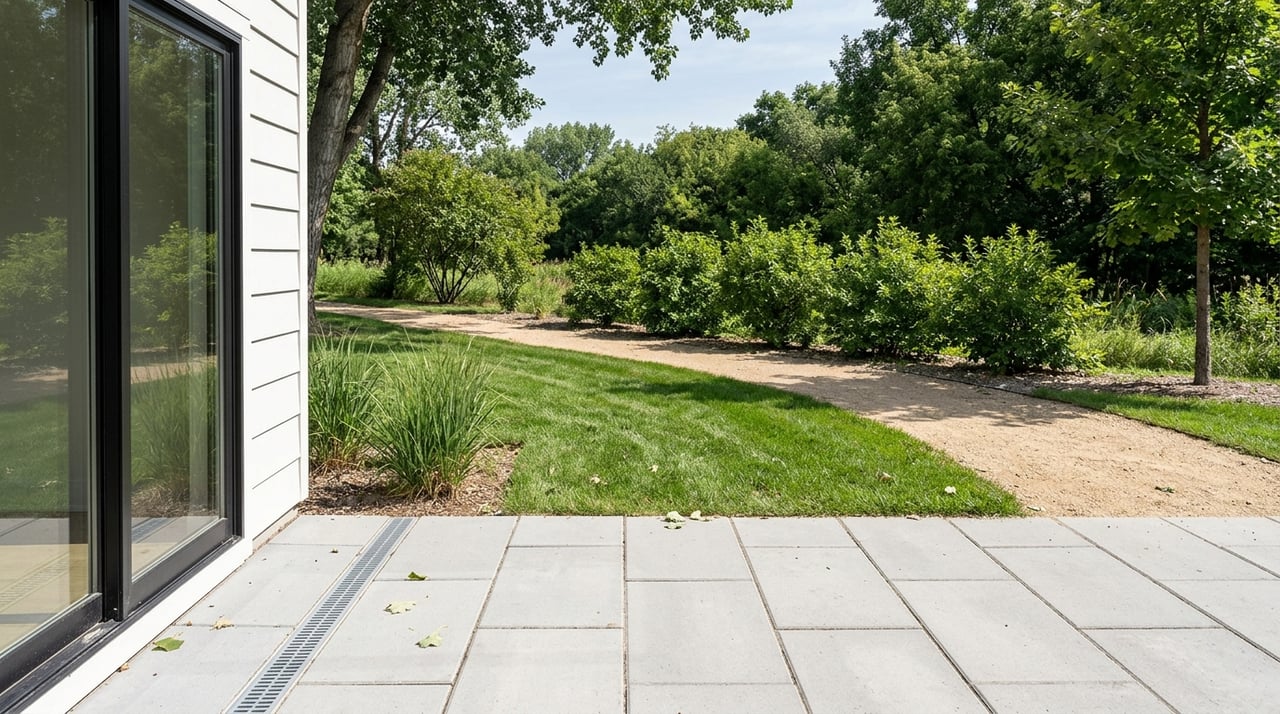
Lot size can shape how a neighborhood feels just as much as the house itself. In Mapleton, current examples point to a mix of smaller twinhome lots and mid-sized single-family lots. That can create a more compact and manageable setup, especially if you prefer less exterior upkeep.
Fargo often feels more neighborhood-dense in new-construction areas. West Fargo stretches wider, from standard suburban lots to larger premium lots in select communities. If your wish list includes a larger yard, Mapleton may offer some options, but West Fargo currently shows more range at the upper end.
Build Timelines and Approvals
New construction is never just about picking a floor plan. You also need to think about timeline, approvals, weather, and infrastructure. Verity says its to-be-built process follows a 12-step system and that a typical build takes about 4 to 8 months, while noting that weather can slow work and that new digs generally stop once the ground freezes, with October usually the last month to start a new home.
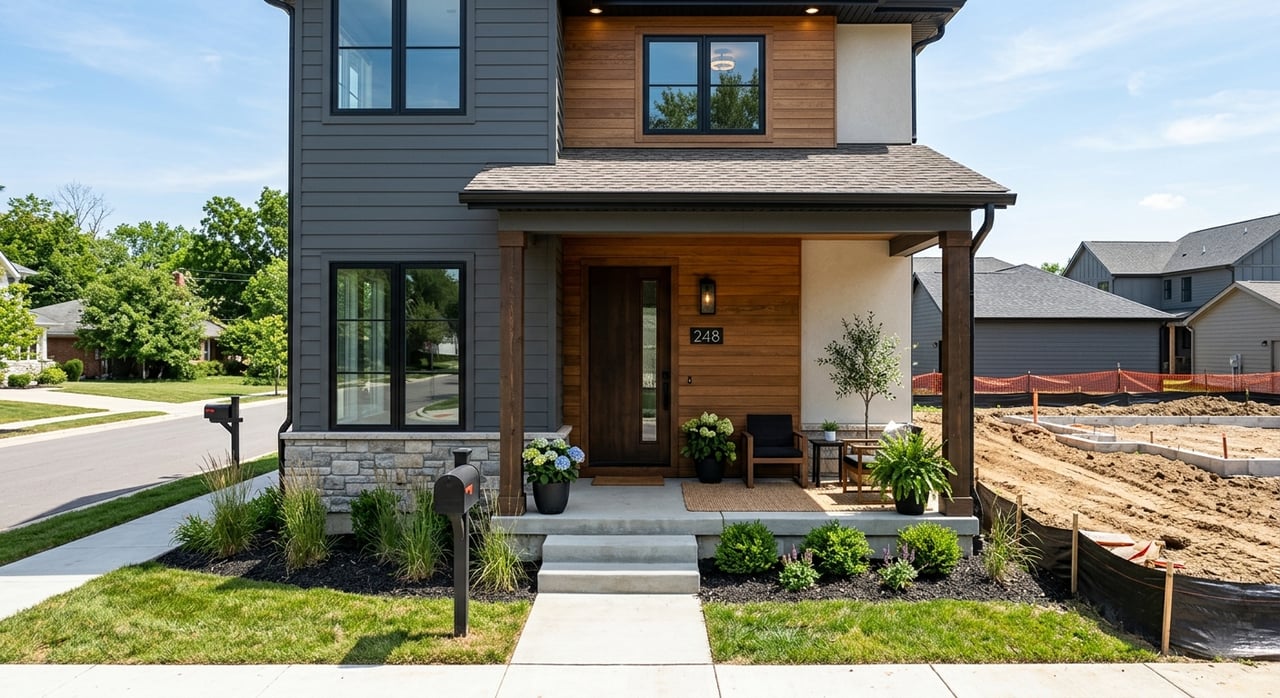
Mapleton adds another layer to the conversation. The city’s 2025 plan update says water and sewer expansion remain growth constraints, and it calls for development agreements and land dedication in new subdivisions. It also identifies future residential areas north of Carl Olsen Street with medium lot planning around 70 feet by 140 feet.
Fargo and West Fargo each have their own development process. Fargo requires plat review, an infrastructure construction request, PWPEC approval, and City Commission approval before infrastructure can start. West Fargo reviews zoning, plats, PUDs, and major permits through Planning & Zoning and uses monthly application deadlines, while also planning future growth tied to the FM Diversion and lagoon decommissioning projects.
For you as a buyer, this means timing can vary by city, builder, and subdivision status. A current Mapleton home at 323 3rd St showed an estimated completion of September 1, while a West Fargo building-trades home was scheduled from September 2025 to May 2026. If you are targeting a move date, ask early whether the lot is fully ready, whether utilities are in place, and whether the home is already underway or still in pre-build stages.
Monthly Cost Matters More Than Sticker Price
One of the easiest mistakes in new construction is comparing homes by base price alone. In Mapleton, current examples include both no-HOA and HOA communities. One Mapleton home lists a $330 monthly HOA that includes lawn care and snow removal, while a Westview lot in West Fargo includes a $125 monthly HOA and notes a sodded yard and 10x10 patio.
That is why your real comparison should focus on total monthly cost and total delivered cost. Ask whether lot price, specials, HOA dues, landscaping, and snow removal are bundled or separate. Two homes with similar list prices can carry very different long-term costs.
What Is Included in the Price
Builder pricing can look straightforward at first glance, but the inclusion list matters. A current Fargo build still allows interior and exterior selections, which can be a benefit if you want to personalize finishes. Another West Fargo building-trades listing says the lot, garage, floor coverings, plumbing fixtures, furnace, central air, and moving costs are not included.
That kind of gap can change your budget quickly. Before you compare Mapleton with Fargo or West Fargo, make sure you are comparing each home on the same basis. A lower base price is not always the better value if key features still need to be added later.
Which Market Fits You Best?
Mapleton may fit you best if
- You want a smaller-town setting with quick access to Fargo-Moorhead
- You are comfortable with a more limited inventory set
- You like the idea of twinhomes, ramblers, or slab-on-grade options
- You want to compare lower lot pricing in select communities
Fargo may fit you best if
- You want more urban-suburban variety
- You want access to a wider mix of neighborhoods and infill-style areas
- You want more flexibility in floor plans and community types
- You value having more active community options to compare
West Fargo may fit you best if
- You want the broadest range of neighborhoods and home styles
- You want more price tiers, from entry-level plans to premium homes
- You are looking for larger-lot or higher-end community options
- You want to compare a deeper mix of amenities and neighborhood formats
How to Compare New Construction Smartly
If you are deciding between Mapleton, Fargo, and West Fargo, a simple checklist can keep your search grounded:
- Compare the total monthly payment, not just list price
- Ask what is included in the base price
- Confirm whether the lot is finished and infrastructure is in place
- Review HOA costs and what those dues cover
- Check estimated completion dates carefully
- Compare lot size, floor plan, and long-term upkeep together
A smart new-construction purchase is usually less about finding the cheapest number and more about finding the best overall fit for your budget, lifestyle, and timeline. That is where local guidance can save you time and expensive guesswork.
If you want help comparing Mapleton new construction with Fargo or West Fargo, Tyler Bretz can help you sort through lot options, builder differences, timelines, and true all-in costs so you can move forward with clarity.
FAQs
How does Mapleton new construction compare in price to Fargo and West Fargo?
- Mapleton’s visible sample runs from about $359,900 to $619,900, while Fargo communities range from about $313,000 to $788,709 and West Fargo communities range from about $340,000 to $879,000.
What kinds of new homes are most common in Mapleton?
- Mapleton tends to lean toward twinhomes, ramblers, and slab-on-grade homes, with a smaller overall selection than Fargo or West Fargo.
Are Mapleton lots usually larger than Fargo lots?
- Current Mapleton examples show a mix of smaller twinhome lots and mid-sized single-family lots, while Fargo often feels more neighborhood-dense and West Fargo currently shows the widest lot-size range.
How long does a new construction build usually take in this area?
- One builder source says a typical to-be-built home takes about 4 to 8 months, though weather can slow progress and October is usually the last month to start a new home before the ground freezes.
What extra costs should buyers watch for in Mapleton, Fargo, and West Fargo new construction?
- You should ask about HOA dues, lot price, specials, landscaping, snow removal, and which features are included versus priced separately, because those costs can change the true monthly payment and total budget.
Is Mapleton a good fit if you want quick access to Fargo-Moorhead?
- Mapleton communities such as Meridian Grove are marketed as being about a 10-minute drive to Fargo-Moorhead, which may appeal if you want a smaller-town setting with convenient metro access.