Choosing between Moorhead and Fargo for your first home can feel harder than it should. The two cities share one metro, but your budget, daily routine, and long-term comfort may look very different depending on which side of the river you choose. If you are trying to balance affordability, commute, yard space, and lifestyle, this guide will help you compare the tradeoffs with local data. Let’s dive in.
Moorhead vs. Fargo at a glance
For many first-time buyers, the biggest difference starts with price. Recent sale data shows a median sale price of $274,086 in Moorhead and $314,812 in Fargo, which is a gap of about $40,914. Median price per square foot also runs lower in Moorhead at $158 compared with $168 in Fargo.
That does not automatically make Moorhead the better choice for everyone. Fargo is still part of the same regional market, but it tends to move a little faster and feel more competitive. Recent data shows average days on market of 39 in Moorhead and 36 in Fargo.
Why Moorhead may fit a first-time buyer
If your top goal is getting into a home at a lower price point, Moorhead has a clear advantage in current sale data. A lower median sale price can make a real difference when you are trying to keep your monthly payment manageable or leave room in your budget for repairs, furniture, and savings.
Moorhead also has a more owner-occupied housing base. Census QuickFacts shows an owner-occupied housing unit rate of 58.1% in Moorhead compared with 43.7% in Fargo. For a first-time buyer, that can be a useful signal if you are looking for an area with more owner-occupied homes and fewer renter-heavy blocks.
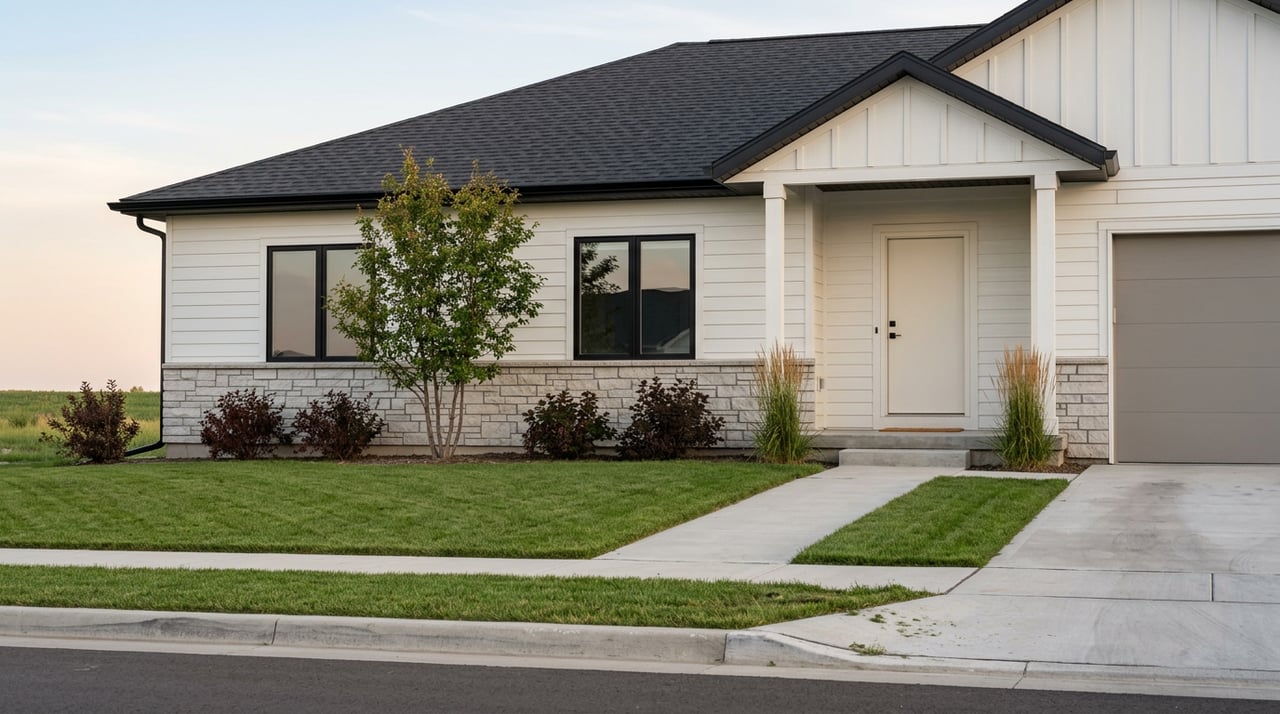
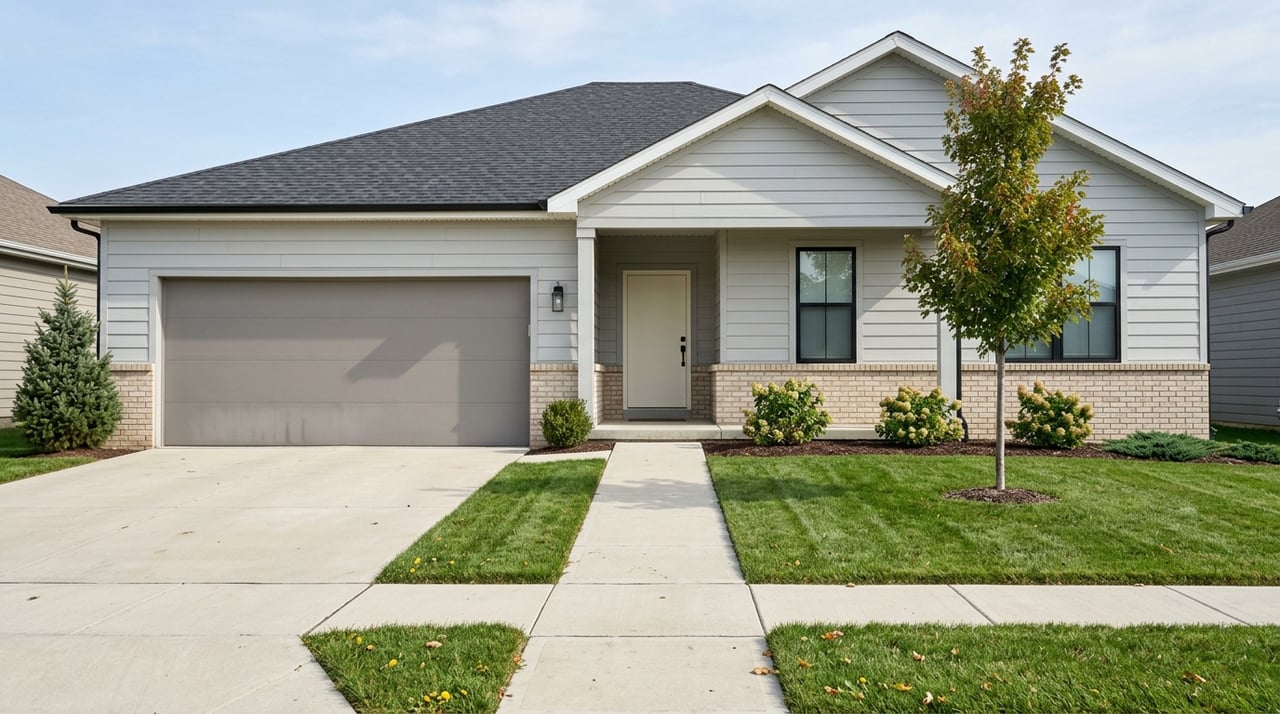
Another practical plus is housing form. Moorhead’s comprehensive plan says low-density residential areas are mainly single-family homes with larger lots, while medium-density areas include duplexes, triplexes, townhomes, and other attached housing. If yard space, privacy, or a more traditional neighborhood pattern matters to you, that is worth paying attention to.
Why Fargo may fit a first-time buyer
Fargo often appeals to buyers who want to be closer to downtown activity and a denser urban feel. Local planning materials describe a housing supply with a significant rental component, along with goals for diverse and affordable housing, infill development, and higher density in established neighborhoods.
That can matter if your lifestyle centers on dining, shopping, coffee shops, or entertainment. Downtown Fargo is known for Broadway-area restaurants, shopping, nightlife, and cultural destinations like the Fargo Theatre and Plains Art Museum. If being near that energy matters more to you than having a larger yard, Fargo may feel like a better match.
Fargo also has a slightly shorter mean travel time to work based on Census data. The average commute is 15.5 minutes in Fargo compared with 17.8 minutes in Moorhead. In a metro where most people drive, small differences in route convenience can matter more than the city line itself.
The real tradeoff: budget, space, and lifestyle
For most first-time buyers, this decision is less about which city is “better” and more about what matters most to you. Moorhead often lines up well for buyers who want a slightly lower entry price, more owner-occupied housing, and more low-density options. Fargo often lines up well for buyers who want downtown access, denser housing patterns, and a more urban day-to-day feel.
Here is a simple way to think about it:
| Priority | Moorhead | Fargo |
|---|---|---|
| Lower median sale price | Stronger fit | Less likely |
| Larger-lot single-family feel | Stronger fit | More mixed |
| Owner-occupied housing share | Higher | Lower |
| Downtown dining and nightlife | More limited | Stronger fit |
| Slightly shorter average commute | Less likely | Stronger fit |
What housing choices look like
One important regional issue affects both cities. A 2023 Fargo-Moorhead housing needs analysis found that development of 2-to-9-unit buildings has not kept pace with single-family or large multifamily development. The report also noted a need for more housing choice and more entry-level homeownership opportunities.
For you, that likely means the middle of the market can feel tight. If you are hoping to find a modest starter home, townhome, duplex-style option, or small condo that also checks boxes like affordability and outdoor space, you may need to act quickly when the right property appears.
That is why it helps to decide early which compromises you can live with. You may be choosing between a lower payment and a shorter commute, or between a larger yard and being closer to downtown activity. The clearer your priorities, the easier your search becomes.
Commute matters more than the map
It is easy to focus on city names, but your actual commute may come down to bridges, route patterns, and where you work most often. Metro 2050 materials show the region is heavily car-based, with 78.3% of commuters driving alone, 5.8% carpooling, 3.9% walking, and 0.3% using public transit.
That means your daily routine should be tested in real terms, not just by zip code. A home that looks great on paper can feel less convenient if your most common route adds stress at busy times. On the other hand, a slightly longer average drive may be worth it if the home gives you more space or a lower monthly cost.
Lifestyle differences across the river
Moorhead and Fargo offer different everyday experiences, and that matters when you are buying your first home. Moorhead leans more toward parks, trails, and river-adjacent recreation. The city says it has more than 45 parks, miles of trails, and the 16-mile Red River Corridor Trail, along with amenities like Bluestem Amphitheater and local arts programming.
Fargo leans more toward downtown energy and activity. If you picture yourself grabbing coffee, meeting friends for dinner, browsing local shops, or enjoying a night out without driving as far, Fargo may line up better with that routine.
Neither preference is right or wrong. The best first home is the one that fits how you actually live now while giving you room to grow over the next few years.
A key Moorhead question: flood and river corridor details
If you are considering a home in Moorhead near the river, make flood-related questions part of your process. Moorhead’s river corridor planning followed major floods in 2009, 2010, and 2011, so buyers in or near that area should ask about flood zone, drainage, and insurance early.
This does not mean you should avoid those properties automatically. It means you should understand the property-specific details before making an offer. For a first-time buyer, that kind of clarity can prevent budget surprises later.
Questions to ask before you choose
Before you decide between Moorhead and Fargo, it helps to bring the right questions to both your lender and your agent.
Questions for your lender
- What total monthly payment fits my budget once principal, interest, taxes, insurance, and PMI are included?
- How would my payment compare between a home in Moorhead and a similar home in Fargo?
- If I buy in Moorhead and qualify for Minnesota homestead classification, how could that affect taxable value for an owner-occupied home?
- If I stretch my budget, would buying sooner in Moorhead make more sense than waiting longer for Fargo inventory?
Questions for your agent
- Which areas best match my budget, commute, and space needs?
- Which parts of Moorhead are more likely to offer larger lots or lower-density housing?
- Is a specific home in or near a flood-prone area or the river corridor?
- How old are the roof, furnace, windows, and other major systems?
- Which side of the river may give me the stronger resale story at my price point?
How to decide with confidence
If you are feeling torn, start with your non-negotiables. Write down your maximum monthly payment, ideal commute pattern, minimum space needs, and the lifestyle features you care about most. Then rank them in order.
If affordability, owner-occupied housing, and larger-lot patterns are leading the list, Moorhead may be the better first stop. If downtown convenience, a slightly shorter average commute, and a more urban feel matter more, Fargo may be worth the extra cost.
The good news is that you do not have to figure it out alone. A local advisor can help you compare homes, neighborhoods, and payment scenarios side by side so your first purchase feels informed instead of rushed. When you are ready to explore your options in Moorhead or Fargo, connect with Tyler Bretz for a local, consultative approach.
FAQs
What is the current price difference between Moorhead and Fargo for first-time buyers?
- Recent sale data shows a median sale price of $274,086 in Moorhead and $314,812 in Fargo, so Moorhead is lower by about $40,914.
Which city has more owner-occupied housing, Moorhead or Fargo?
- Census QuickFacts shows 58.1% owner-occupied housing in Moorhead and 43.7% in Fargo, which suggests Moorhead has a more owner-occupied housing base.
Is Fargo or Moorhead better for yard space and lower-density housing?
- Moorhead’s comprehensive plan says low-density residential areas are mainly single-family homes with larger lots, so Moorhead may be a stronger fit if yard space is a priority.
Is Fargo or Moorhead better for downtown lifestyle and nightlife?
- Fargo is generally the stronger fit if you want easier access to downtown dining, shopping, nightlife, and cultural attractions.
What should first-time buyers ask about homes near the river in Moorhead?
- You should ask whether the property is in or near a flood-prone area, along with details about flood zone, drainage, and insurance.
How competitive are the Fargo and Moorhead housing markets right now?
- Both markets move fairly quickly, but Fargo is more competitive in recent data, with average days on market of 36 compared with 39 in Moorhead.