Choosing land sounds simple until you realize how many details can change what you can actually build. If you are looking at lots or acreage in Mapleton, you are probably trying to balance lifestyle, budget, and long-term value all at once. The good news is that a smart site choice usually comes down to a few local factors you can verify early. Let’s dive in.
Start With The Type Of Site
In Mapleton, “land” can mean very different things depending on where the property sits and how it is zoned. The city ordinance includes agricultural, single-family, multi-family, commercial, industrial, planned development, and floodplain management districts. That means your first step is not just finding a parcel you like, but confirming what category it falls into and what that allows.
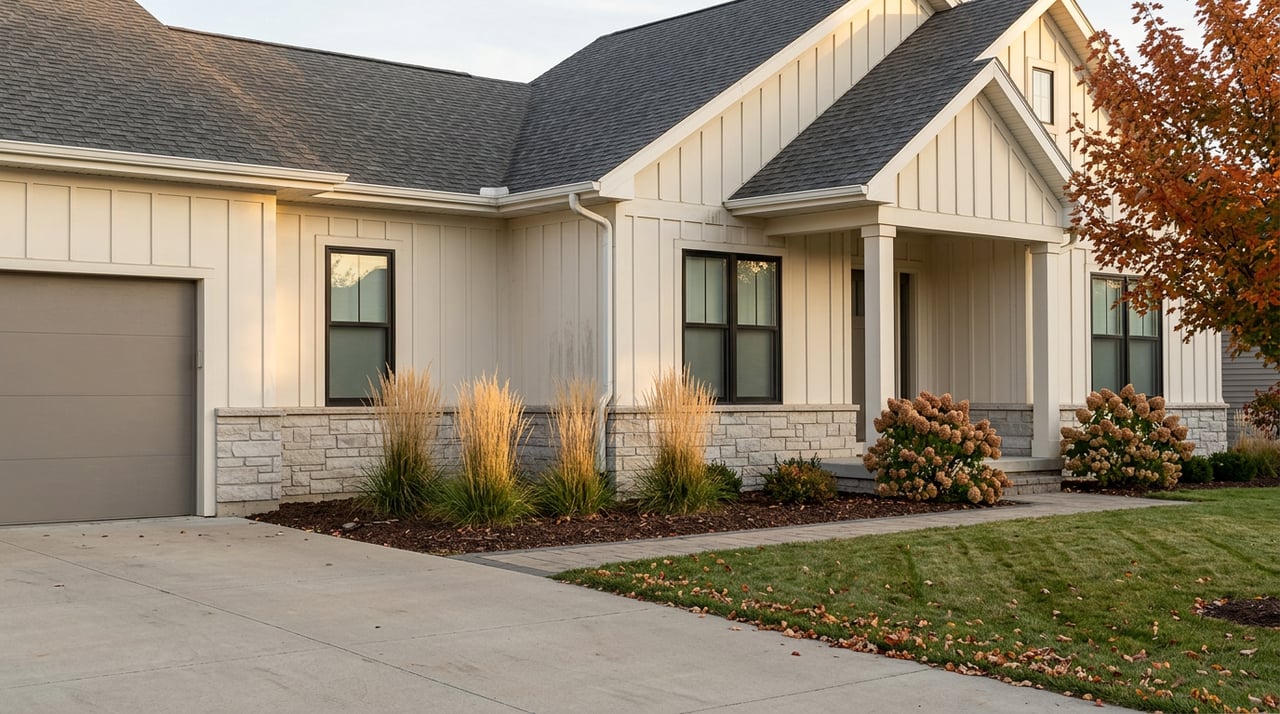
For many buyers, the choice comes down to an in-town subdivision lot or a larger rural-style site. Mapleton also has active subdivision inventory, including local lot options such as Ashmoor Glen lots. If you want a custom home, more room for outbuildings, or a little more separation, acreage may feel appealing, but it comes with a very different set of rules than a standard city lot.
What Standard Lots Look Like
Mapleton’s residential districts are not all the same. In the R-1 district, single-family lots must have at least 12,000 square feet and 100 feet of width. In R-2, the minimum lot size is 7,000 square feet with at least 60 feet of width.
That difference matters when you start matching a lot to your home plan. A wider lot may give you more flexibility for garage placement, setbacks, and outdoor living space. A smaller lot may still work well, but you will want to know early whether your preferred footprint actually fits.
What Acreage Sites Require
If you are looking at a rural-style parcel, the A Agricultural district is the key local reference point. In that district, agricultural uses require at least 40 acres, while non-farm residential and non-residential uses require at least 5 acres, with a 200-foot minimum width. Setbacks are also much different, with 50-foot front and rear setbacks and 25-foot side setbacks.
This is where many buyers realize acreage is not just a bigger version of a city lot. The buildable area, access, utility planning, and approval path can all be more involved. If your goal includes a detached shop, extra garage space, or a more spread-out homesite, those dimensions can be helpful, but they still need to align with the ordinance.
Compare Common Mapleton Site Types
Some lot types show up again and again in Mapleton searches because they offer a distinct feel or use case. Each one has tradeoffs, so it helps to think beyond the listing photos.
Cul-De-Sac Lots
Mapleton’s subdivision rules specifically account for cul-de-sacs, limiting them to 500 feet in length and requiring a 100-foot-diameter turnaround. These sites often have a different lot shape than a parcel on a straight street. In practical terms, they may offer less through-traffic based on the street design.
That shape can be a benefit or a challenge depending on your plans. A wider rear yard or a pie-shaped lot may create nice outdoor potential, but you still need to confirm setback lines and buildable width. If you are considering a custom build, ask how the home, driveway, and garage orientation would sit on the site.
Golf-Course-Adjacent Parcels
Golf-course-adjacent property is a real local category in Mapleton. Golf courses are permitted uses in the A Agricultural district and in the R-4 and R-5 residential districts, and Maple River Golf Club is located in Mapleton. For buyers who value open views or nearby recreation, this type of site can stand out.
Still, the right fit comes down to the parcel itself, not just the nearby amenity. You will want to understand lot lines, setbacks, orientation, and any site-specific conditions before assuming a golf-course location automatically works for your build.
Larger Rural-Style Parcels
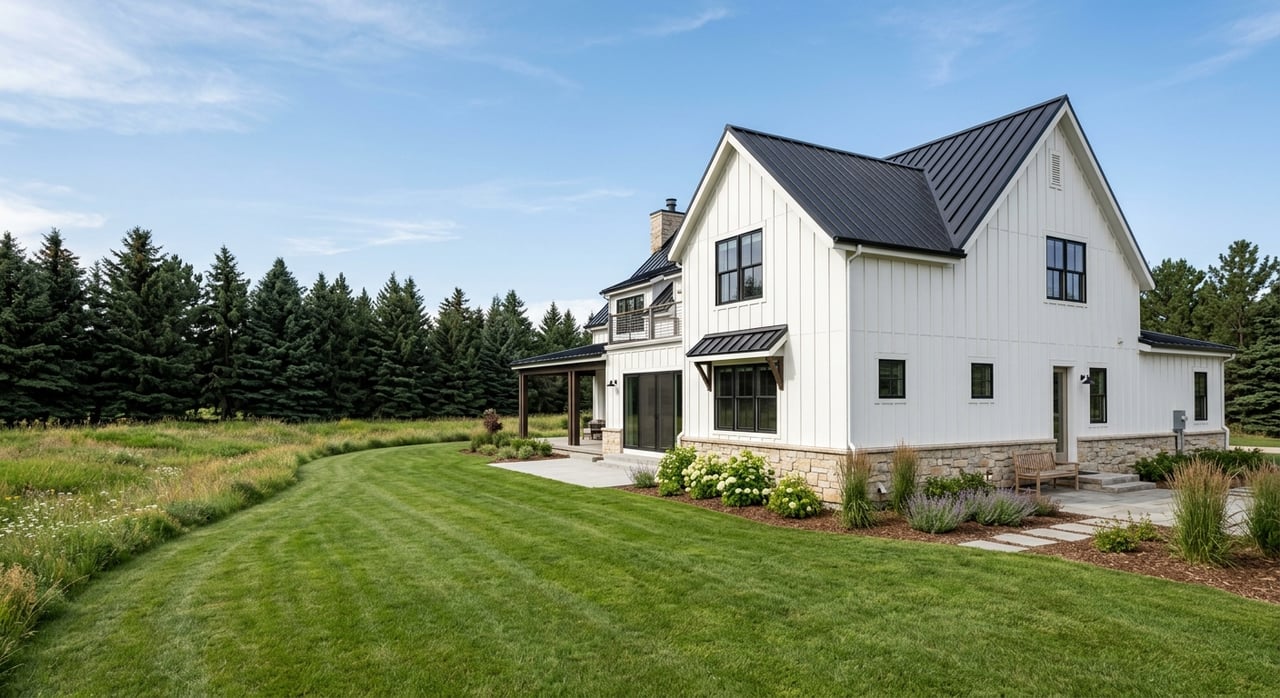
Acreage sites appeal to buyers who want more flexibility and elbow room. They can be a strong fit if you want distance between homes or space for accessory structures. At the same time, rural or semi-rural sites often need more due diligence around platting, utilities, drainage, and county review.
If the parcel is outside city limits, Cass County’s Planning Office handles subdivision plat administration within county jurisdiction and also provides zoning and floodplain assistance to local governments. That makes county coordination especially important for buyers looking at raw land or considering a split or plat.
Check Utilities Before You Fall In Love
One of the biggest differences between a straightforward lot and a complicated one is utilities. Inside Mapleton city limits, all new development must connect to the city water and sewer system. Septic tanks are not permitted within the city corporate limits.
That means you should verify more than just whether a lot is “buildable.” You should also ask whether city water and sewer are already available to the site and whether the infrastructure is in place for your intended build. The city utility-provider information also identifies Ottertail Power for electric, Xcel Energy for gas, Qwest and Idea One Telecom for telephone, Midco and ReadiTech for cable, phone, and internet, and the City of Mapleton for water, sewer, and lagoon service.
For subdivision lots, it is smart to look at the full infrastructure picture. Mapleton requires water mains to each lot where appropriate, sanitary sewers to each lot, storm sewer plans, and grading and drainage plans that do not discharge into sanitary sewer facilities. The city also requires sidewalks in new residential and commercial development, and final plats must include a sidewalk plan.
Confirm Access And Buildability
A beautiful parcel is not the same as a practical homesite. Mapleton’s land-suitability rules say land should not be used for a purpose that is unsuitable because of flooding, soil limitations, inadequate drainage, incompatibility with adjoining uses, or another condition harmful to health, safety, or welfare.
The ordinance also says a dwelling unit must abut a dedicated public street. For raw-land buyers, that makes legal and physical access a non-negotiable part of due diligence. Before you move forward, make sure the site has the street access needed for both approval and day-to-day use.
Flood Status Matters Early
Flood risk deserves its own review in Cass County. The county provides elevation contours and an interactive flood-mapping application, but it also states that those maps are not a substitute for an accurate field survey. Mapleton’s floodplain ordinance also defines special flood hazard areas, floodways, and the 100-year flood.
For that reason, it is wise to verify a parcel’s elevation and flood status before you commit. If you are comparing multiple sites, a parcel with easier floodplain clarity can be simpler to evaluate and plan around.
Lot Orientation Can Shape Your Build
Orientation is easy to overlook when you are focused on price or size, but it can affect how a home lives on the lot. Mapleton’s subdivision rules encourage north-south lot orientation for low-density residential lots. Lots that abut major streets also need extra depth for setbacks.
This can influence sunlight, driveway layout, backyard use, and the way your floor plan fits the site. If you already have a builder or home concept in mind, orientation should be part of the conversation before you buy, not after.
Think Ahead About Accessory Buildings
If you want a detached garage, shop, or outbuilding, the site needs to work both legally and physically. Mapleton’s ordinance includes accessory-building placement rules and requires matching design and materials with the primary structure. That means your ideal lot should support the building you want without creating lot-line or setback issues.
This is one reason width and depth matter so much. A parcel may sound generous on paper, but the usable build area can feel smaller once setbacks, driveway placement, and the main house are all accounted for.
Understand The Approval Timeline
Not every parcel is truly ready for your plans on day one. If a site needs rezoning, a variance, or plat approval, timing becomes part of the buying decision. In Mapleton, the Planning and Zoning Commission meets on the last Tuesday of each month.
Zoning applications should be submitted early enough to allow for public-hearing notices, and supporting documents are due at least 15 business days before the hearing. If you are trying to align land closing, builder scheduling, and financing, those timelines can matter more than many buyers expect.
A Simple Mapleton Site Checklist
When you are comparing lots and acreage, these are some of the most important questions to ask:
- What zoning district is the parcel in, and what does that allow?
- Does the lot width and size fit your planned home, garage, and outdoor space?
- If you want a shop or accessory building, can the site support it?
- Is the property inside Mapleton city limits or under county jurisdiction?
- Are city water and sewer available, and what other utilities serve the parcel?
- Does the site abut a dedicated public street?
- What do flood mapping, elevation, and drainage information show?
- Is the parcel on a cul-de-sac, near the golf course, or part of a larger acreage setting, and how does that affect layout?
- Would you need a variance, rezoning, or plat approval before building?
Why The Right Site Often Wins Long Term
In Mapleton, the easiest parcels to understand are often the easiest to plan around later. Clear zoning, public-road access, utilities at or near the site, manageable drainage, and a lot shape that fits common home plans can make the process more straightforward. While every buyer’s goals are different, those basics can support both buildability and future resale appeal.
If you are weighing several options, try to think beyond the purchase price alone. The right site is the one that fits your home, your timeline, and your comfort level with approvals and infrastructure. A little extra due diligence up front can save you time, money, and stress later.
If you want help comparing Mapleton lots, acreage, or new-construction opportunities, Tyler Bretz offers a consultative, local approach to help you evaluate the details and move forward with confidence.
FAQs
What should you check before buying a lot in Mapleton?
- You should confirm zoning, lot size and width, utility availability, flood status, drainage, public street access, and whether your planned home and any accessory buildings will fit within required setbacks.
What utilities do new homes inside Mapleton need?
- New development inside Mapleton city limits must connect to city water and sewer, and septic tanks are not permitted within the city corporate limits.
What is the minimum lot size for single-family lots in Mapleton?
- It depends on the zoning district. R-1 requires at least 12,000 square feet and 100 feet of width, while R-2 requires at least 7,000 square feet and 60 feet of width.
What counts as acreage for residential use in Mapleton?
- In the A Agricultural district, non-farm residential uses require at least 5 acres, a minimum width of 200 feet, and specific setback standards.
What should you know about flood risk for Mapleton land?
- You should review Cass County flood-mapping resources and verify the parcel’s elevation and flood status, because county maps are not a substitute for an accurate field survey.
What happens if a Mapleton parcel needs zoning approval?
- If a parcel needs rezoning, a variance, or plat approval, you should plan around the city’s review schedule, since the Planning and Zoning Commission meets on the last Tuesday of each month and supporting documents are due at least 15 business days before the hearing.